



DUI & criminal defense blog
-

Are DUIs Eligible For Diversion? Penal Code Section 1001.95
In 2020, California introduced a new law called Penal Code section 1001.95, which allows people who commit certain misdemeanors to enter a special program instead of getting a criminal record. This program helps them avoid a conviction by completing some kind of rehabilitation. Surprisingly, this law also includes DUIs (Driving Under the Influence), which means…
-

The court abused its discretion in denying military diversion in a DUI case
In Wade v. Superior Court (2019) 33 Cal.App.5th 694, the Court of Appeal reversed a trial court decision that denied a defendant’s request for military diversion in a DUI case. In denying the request, the trial court had noted that the charge of driving under the influence was “inherently dangerous.” Id. at 704. The trial…
-
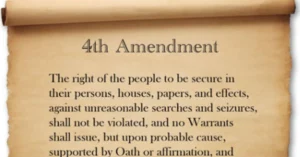
Challenging a search warrant
A search conducted by a warrant can be challenged under the Fourth Amendment.
-

Covid-19 and speedy preliminary hearing rights
The Court of Appeal found the trial court abused its discretion in continuing a preliminary hearing due to the pandemic over the defendant’s objection.
-

Surrogate witness drug testimony violated the Sixth Amendment
The testimony of a laboratory supervisor who had no involvement with the drug analysis, and the admission of the non-testifying analyst’s report, violated the Confrontation Clause.
-

Undisclosed evidence leads to reversal of triple murder
The trial court allowed the prosecution to present expert testimony that was never disclosed to the defense. Finding that the court should have granted the motion for a mistrial, the Court of Appeal reversed the Watson murder convictions.
-

Cal Supreme Court on DA Witness Vouching
The prosecution may not argue evidence not available to the jury to bolster an officer’s credibility.
-
Drug Recognition Evaluations And Marijuana DUI Cases
Drug Recognition Evaluations have not been demonstrated to reliably indicate whether someone is impaired by marijuana for purposes of driving.
-
The SCOTUS decision in Kansas v. Glover
Stops based solely on the registered owner’s license status are lawful under the Fourth Amendment.




contact us to start building your defense
We understand that being accused of a crime is one of the most challenging times of your life. Rely on us to advocate for your rights and to give you the defense you deserve.

